Published : 2025-09-22
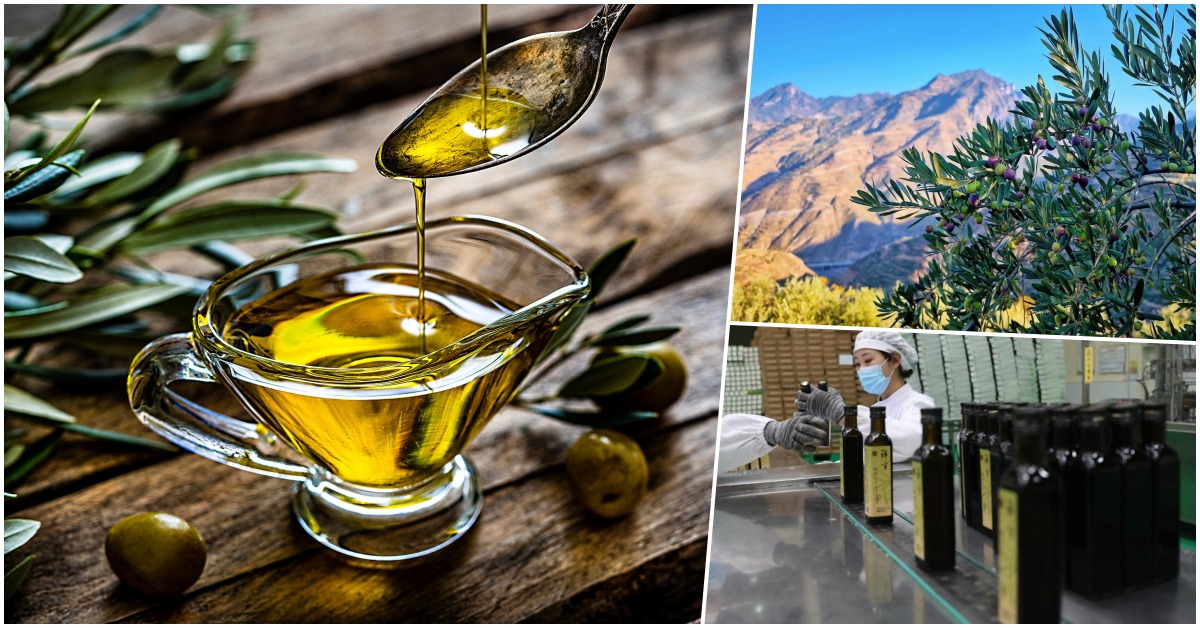
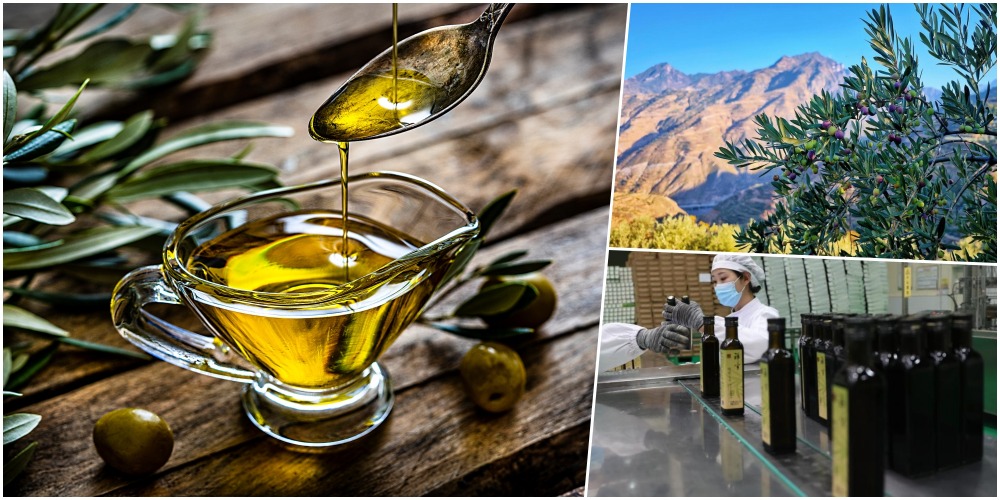
When olive oil is mentioned, most people might first think of the Mediterranean, but nowadays, the fruit that produces this "liquid gold"—olive—has become one of China's new specialties in Gansu Province (甘肅省).
Longnan City (隴南市) in Gansu, known as the "home of olives in China", has a local comprehensive olive output value that has exceeded four billion RMB; its olive oil products are even exported to Spain and many other countries and regions.
How did olive, which originally grew in Mediterranean countries, cross thousands of miles to take root in the mountainous regions of Northwest China?
Gansu: The home of olives in China
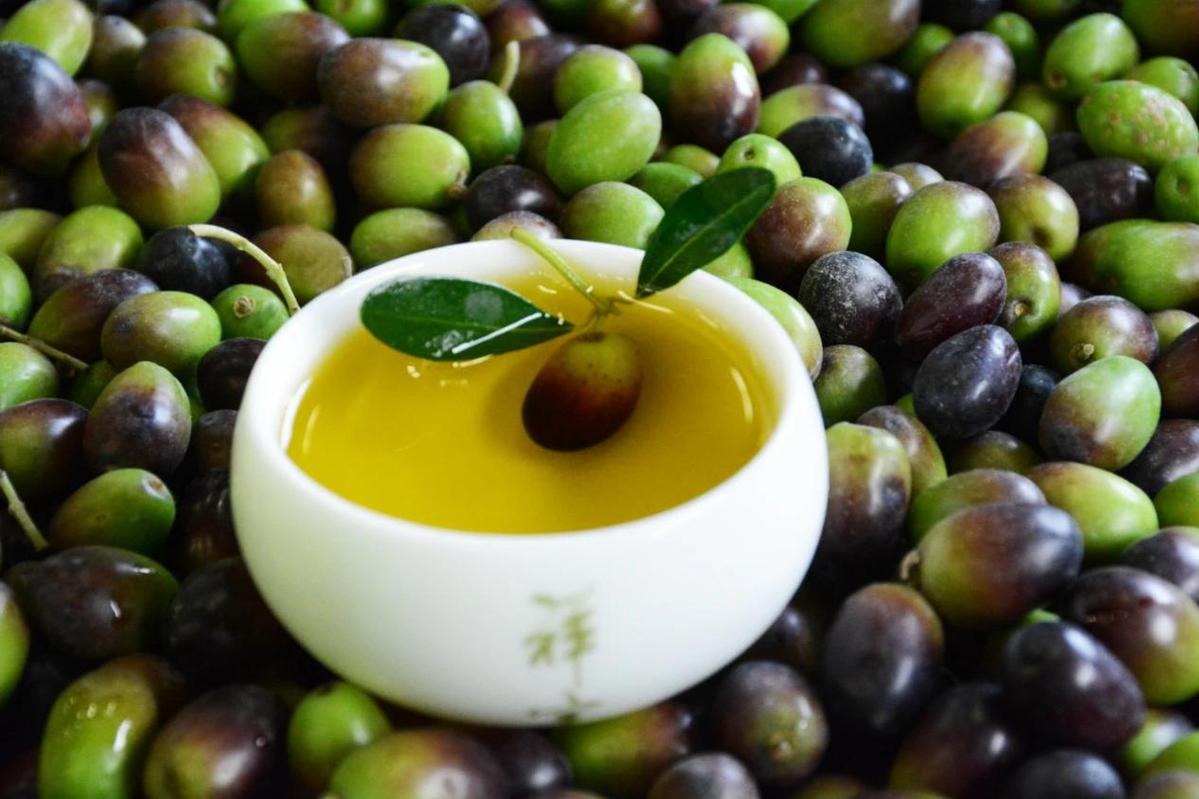
As Chinese people pay increasing attention to healthy eating, olive oil, known as "liquid gold", is now appearing on the dining tables of more and more Chinese families. However, it must first be clarified that the plant which can produce olive oil is the "olive" (油橄欖, botanical name Olea europaea), and it is a different thing from the local olive (橄欖) which is native to mainland China.
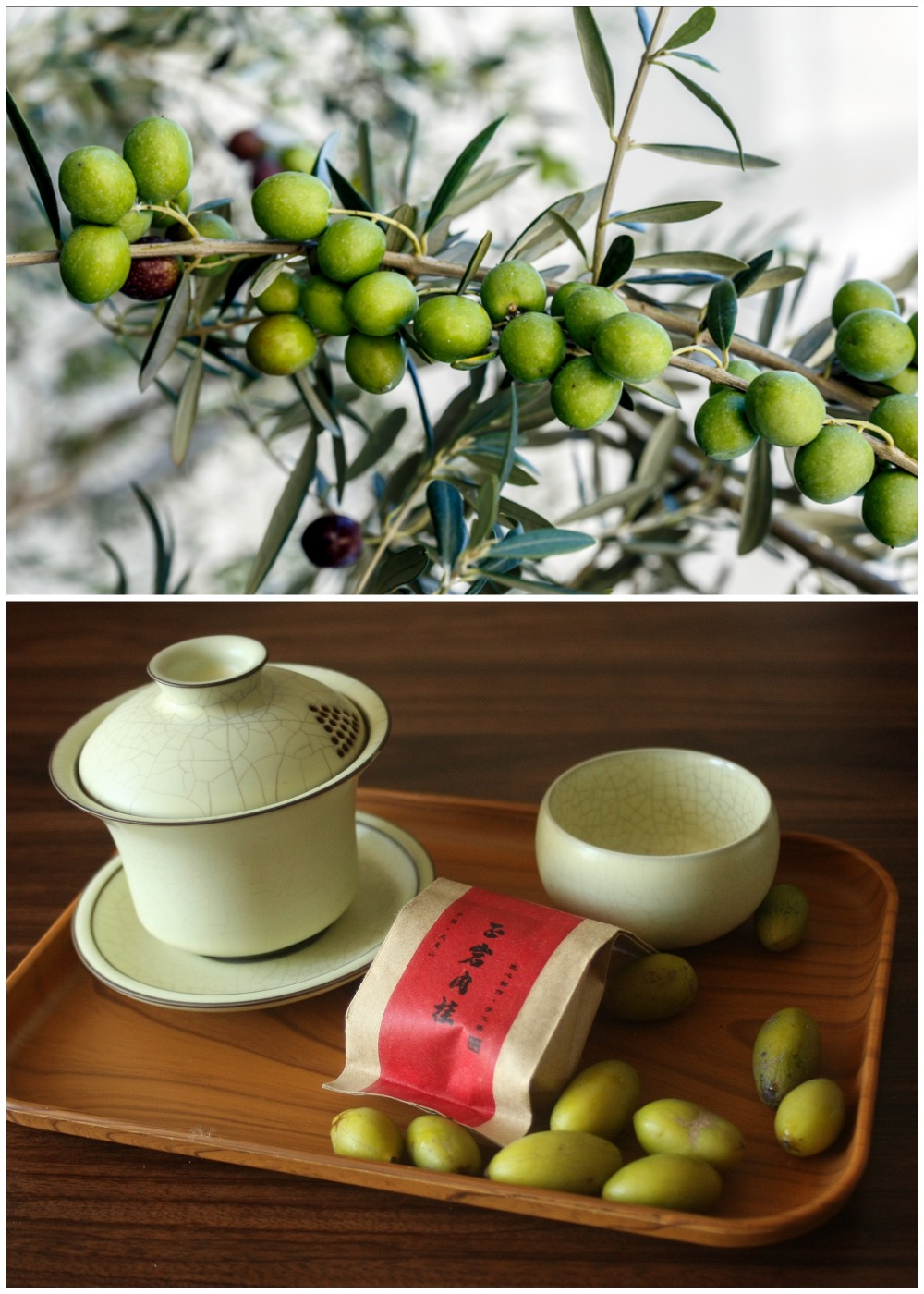
How can you distinguish them? Apart from the professional biological definitions, they can actually be easily distinguished by their appearance. The fruit of the olive is rounder, in an oval shape; whereas the fruit of the Chinese olive is mostly pointed at both ends, and is green or yellowish-green when ripe.
Another major difference between them is that the olive can be eaten raw, having a sour and astringent taste at first, followed by a sweet aftertaste after the bitterness; whereas the olive cannot be eaten raw.
Nowadays, olives are no longer just grown in the Mediterranean region, but have crossed oceans to take root in China. After nearly half a century of introduction and promotion, they are grown in Chinese provinces such as Gansu, Sichuan, and Yunnan, with Gansu Province having the largest cultivation area.
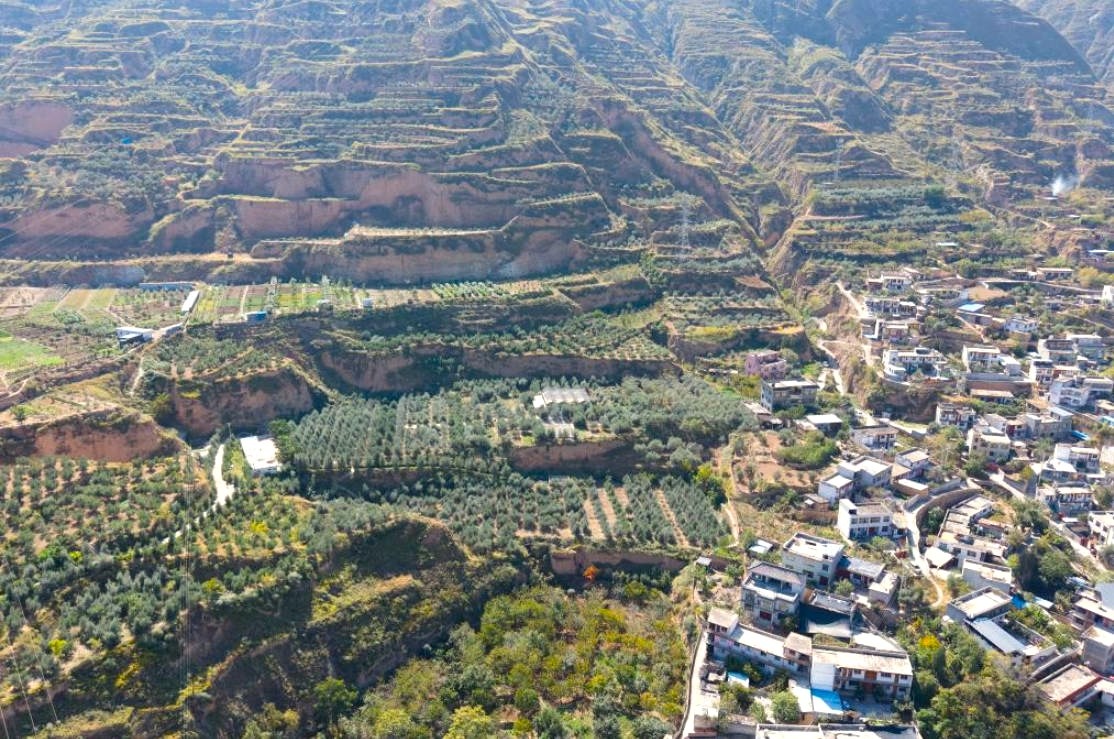
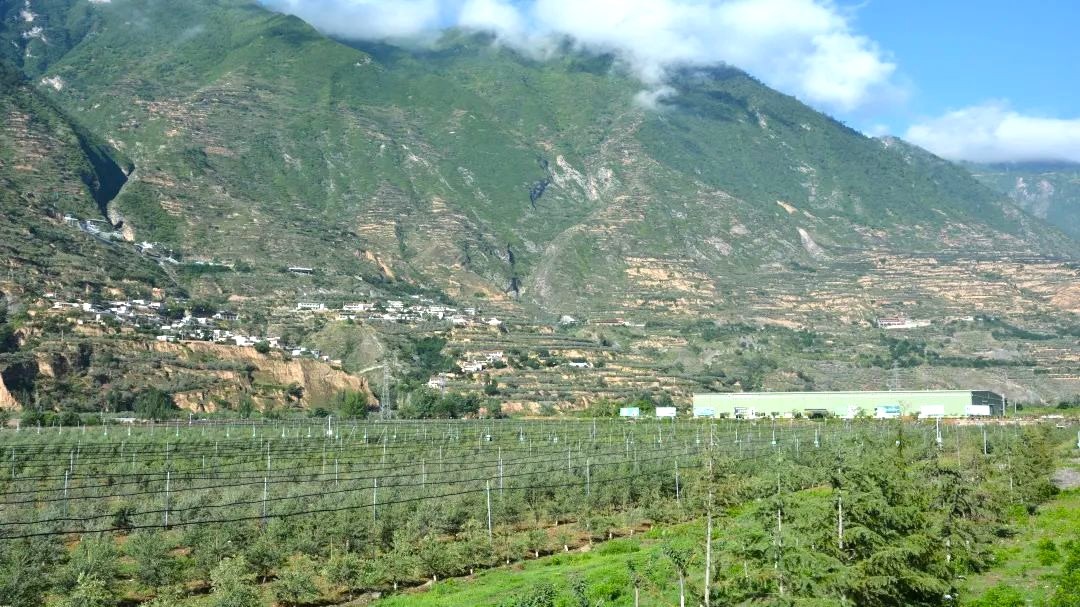
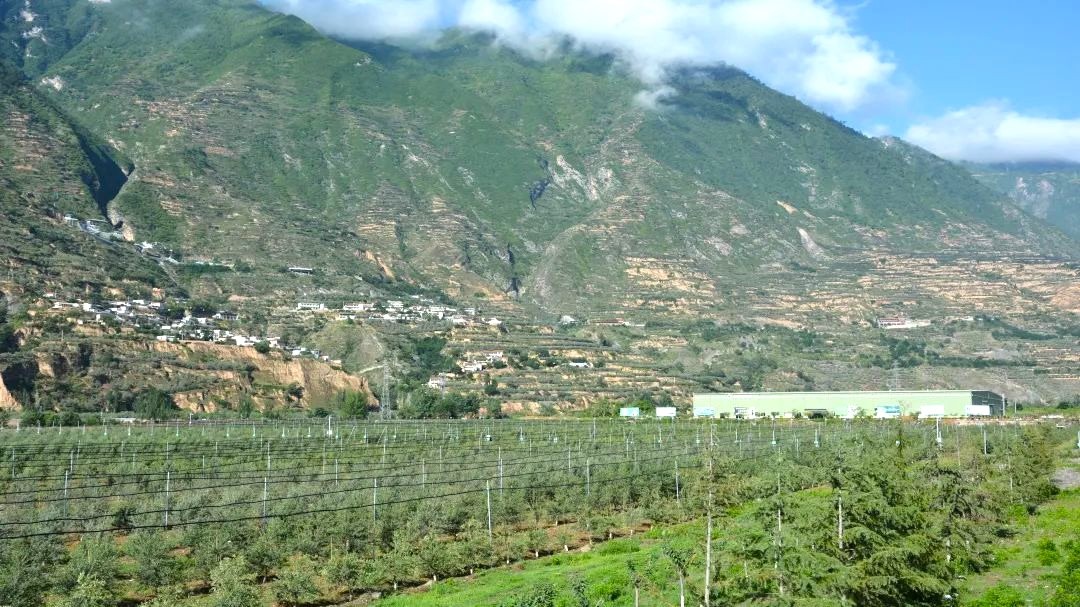
Located in the northwest, Longnan City in Gansu Province is one of China's main olive cultivation areas and core olive oil production regions. The local olive cultivation area exceeds one million mu (approximately equivalent to 66,000 hectares), accounting for about half of the national total; the annual output of fresh fruit has reached 60,000 tonnes.
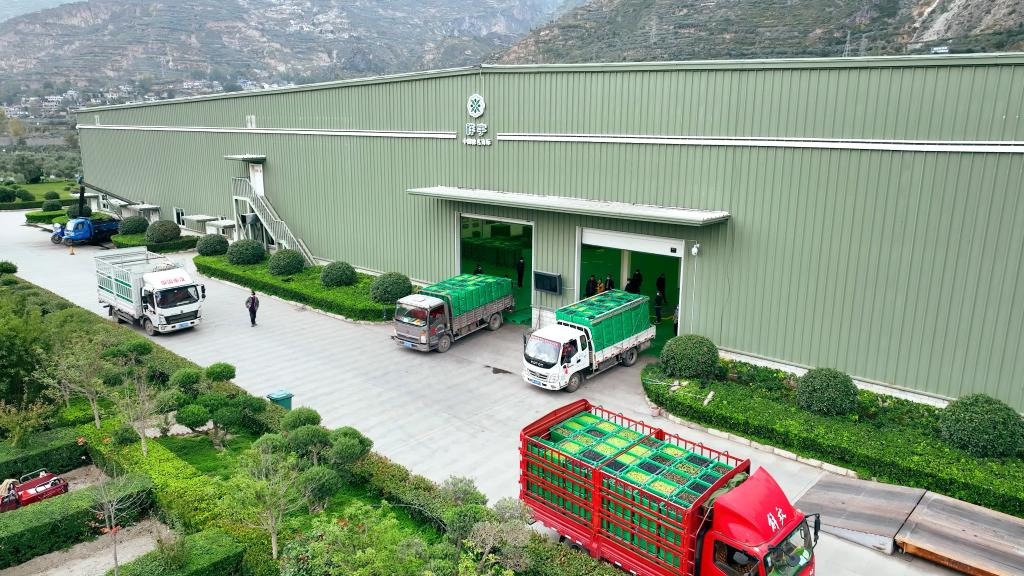
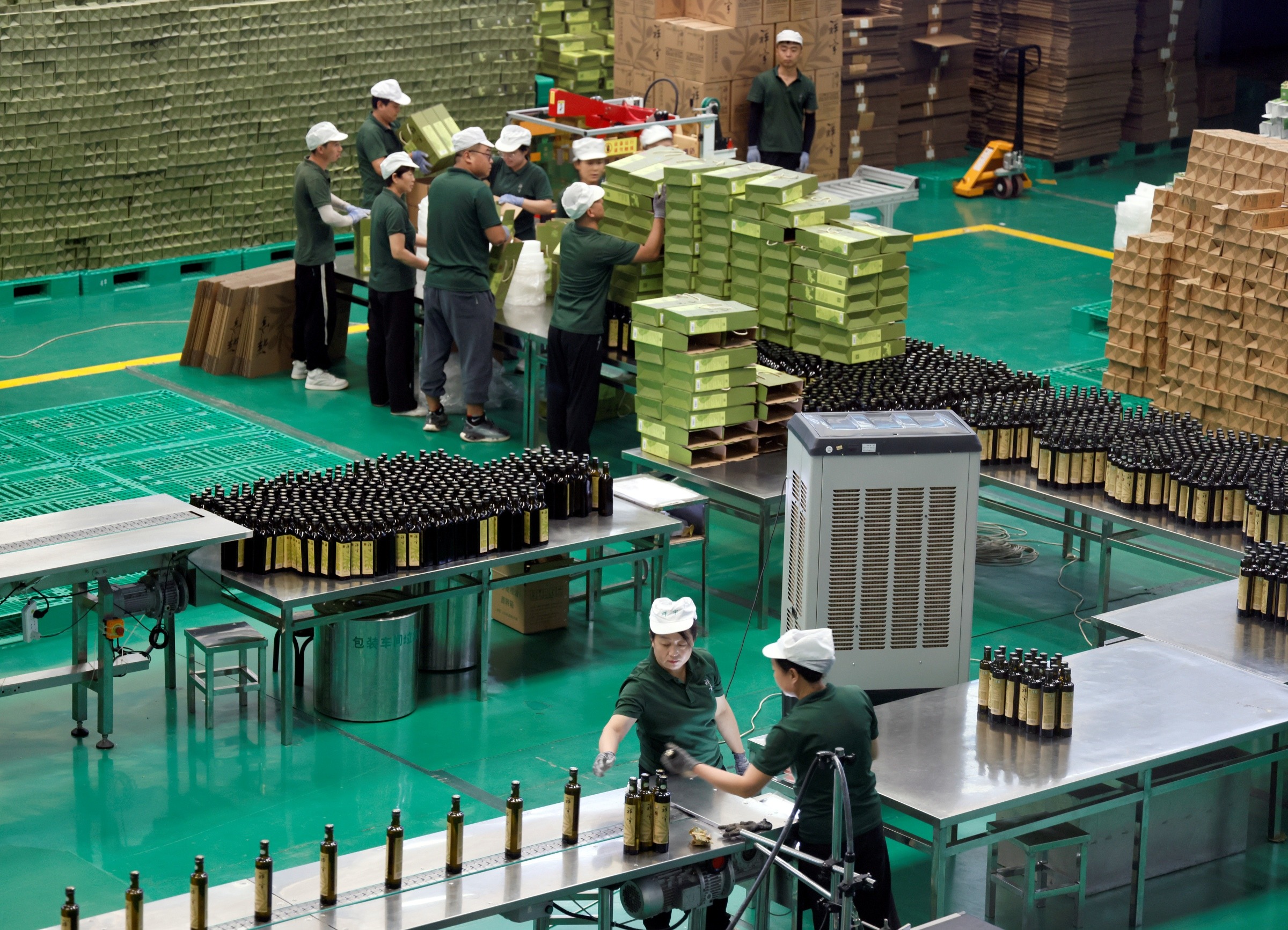
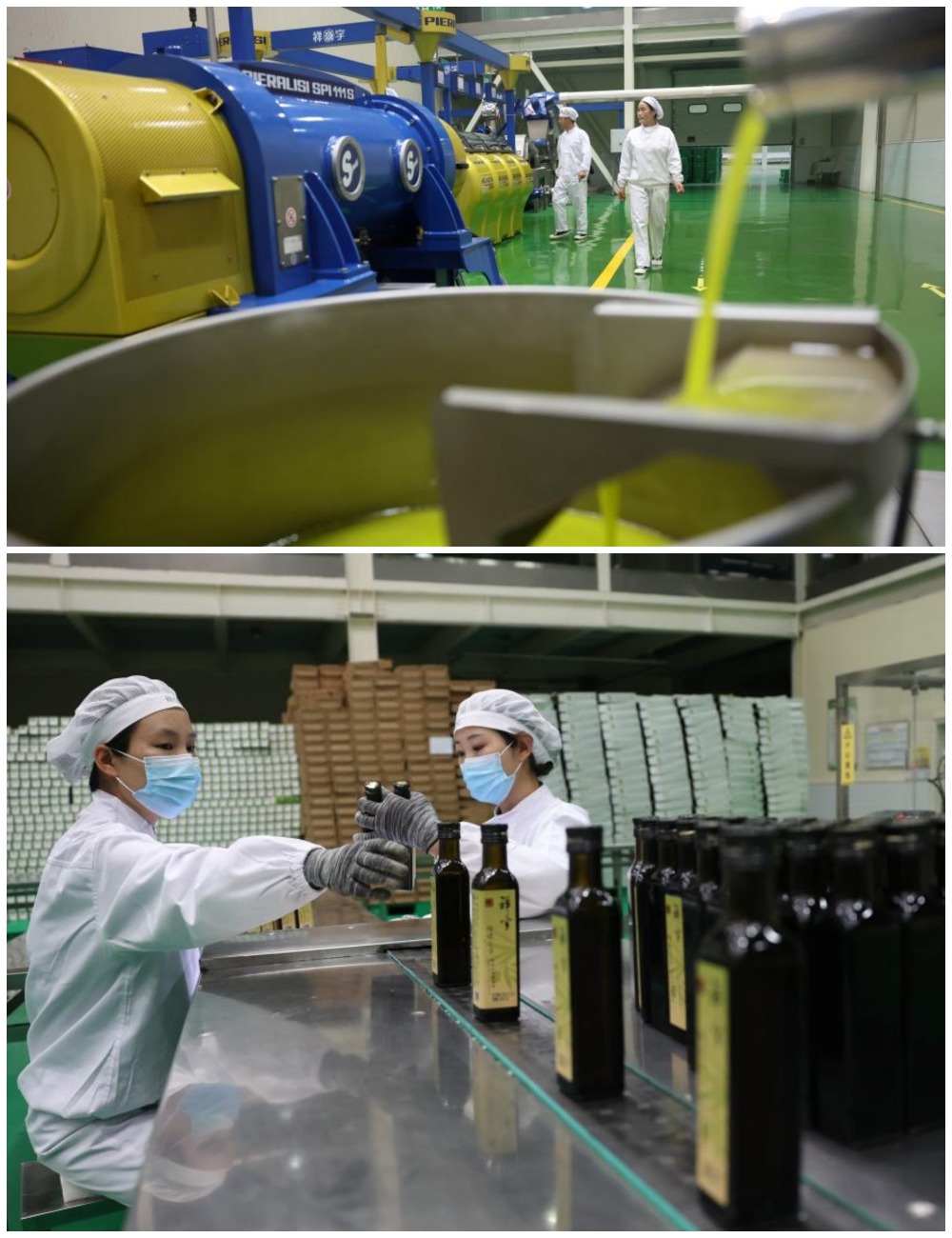
The local area has formed a complete olive oil industry chain integrating introduction and breeding, cultivation and processing, and R&D and sales, with more than 20 leading olive processing enterprises and a comprehensive output value of 4.5 billion RMB. Today, Longnan has become the "home of olives in China".
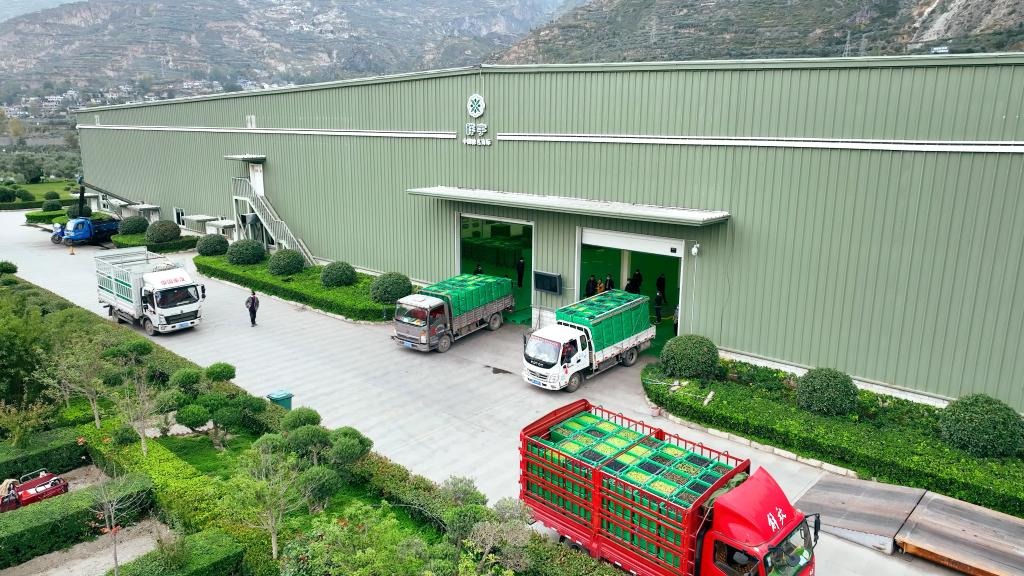
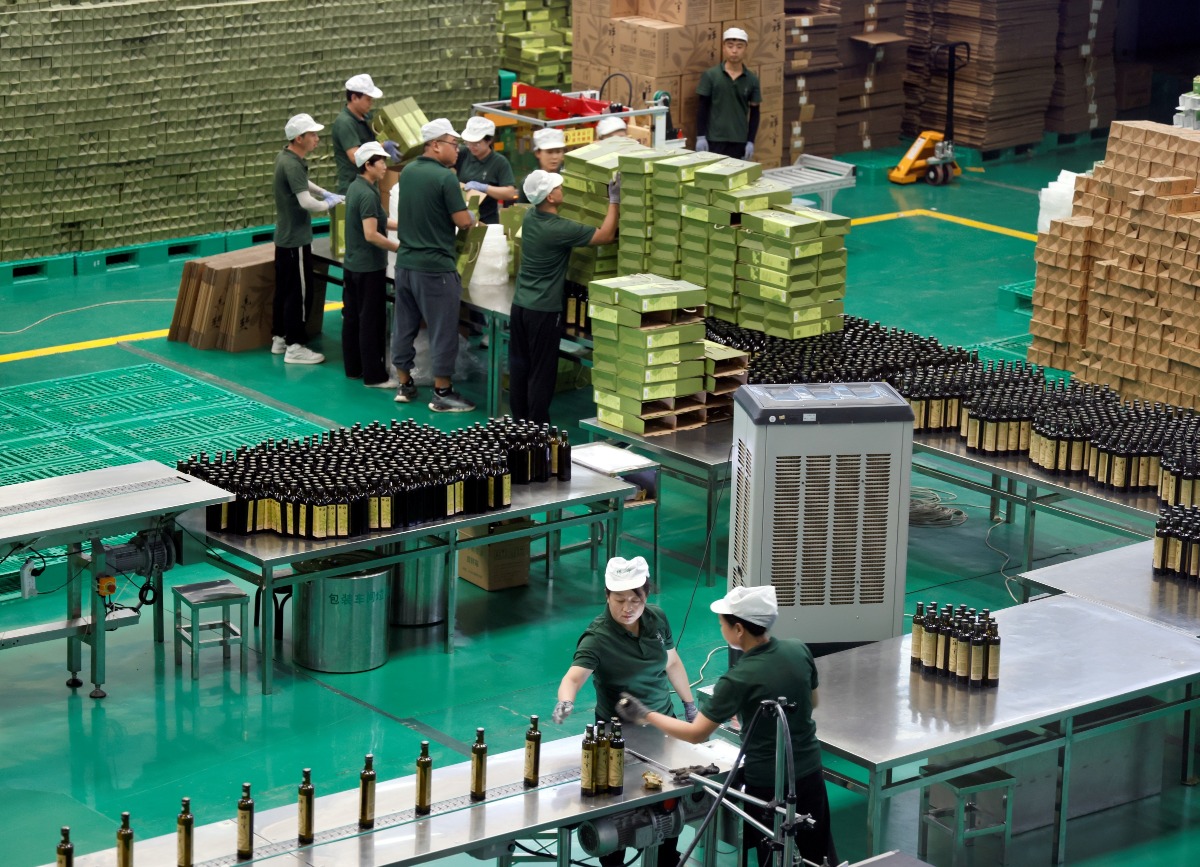
The olive oil from Longnan, has also gained international market recognition, being exported to several countries and regions including Singapore, Japan, and South Korea, as well as Italy and Spain, the two main olive oil-producing countries on the Mediterranean coast.
Not only does it continue to develop international markets, but Longnan olive oil from Gansu has also won more than 100 awards in the industry. In the 2023 Berlin Global Olive Oil Awards (Berlin GOOA) competition, the "organic extra virgin olive oil" sample submitted by Longnan stood out from over 800 samples submitted by more than 30 countries, winning two gold awards and one silver award.
Why can olives thrive in Gansu?
Why can olives thrive in Gansu? The most important factors, of course, are the ideal geographical environment and climate.
In 1964, Albania, a country on the eastern coast of the Mediterranean, gifted over 10,000 of olive saplings to China, which were distributed to 12 introduction sites in eight provincial administrative regions, such as Yunnan, Sichuan, Shaanxi, and Hubei.
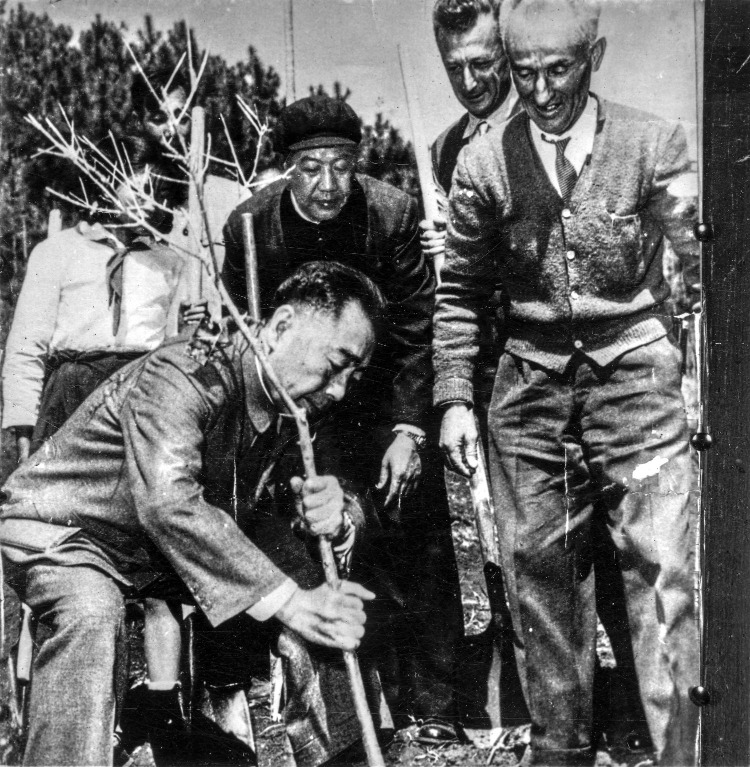
However, the initial trial plantings of olives in these areas did not yield ideal results, suffering from severe pests and diseases, and low yields. In the 1970s, Wudu District in Longnan City, Gansu, began to introduce olive saplings in batches from Hanzhong of Shaanxi Province.
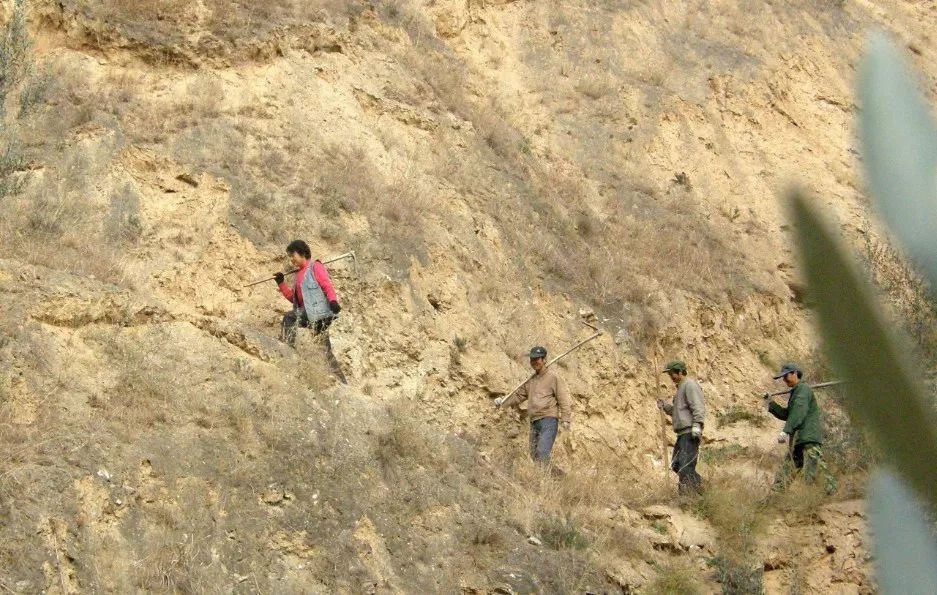
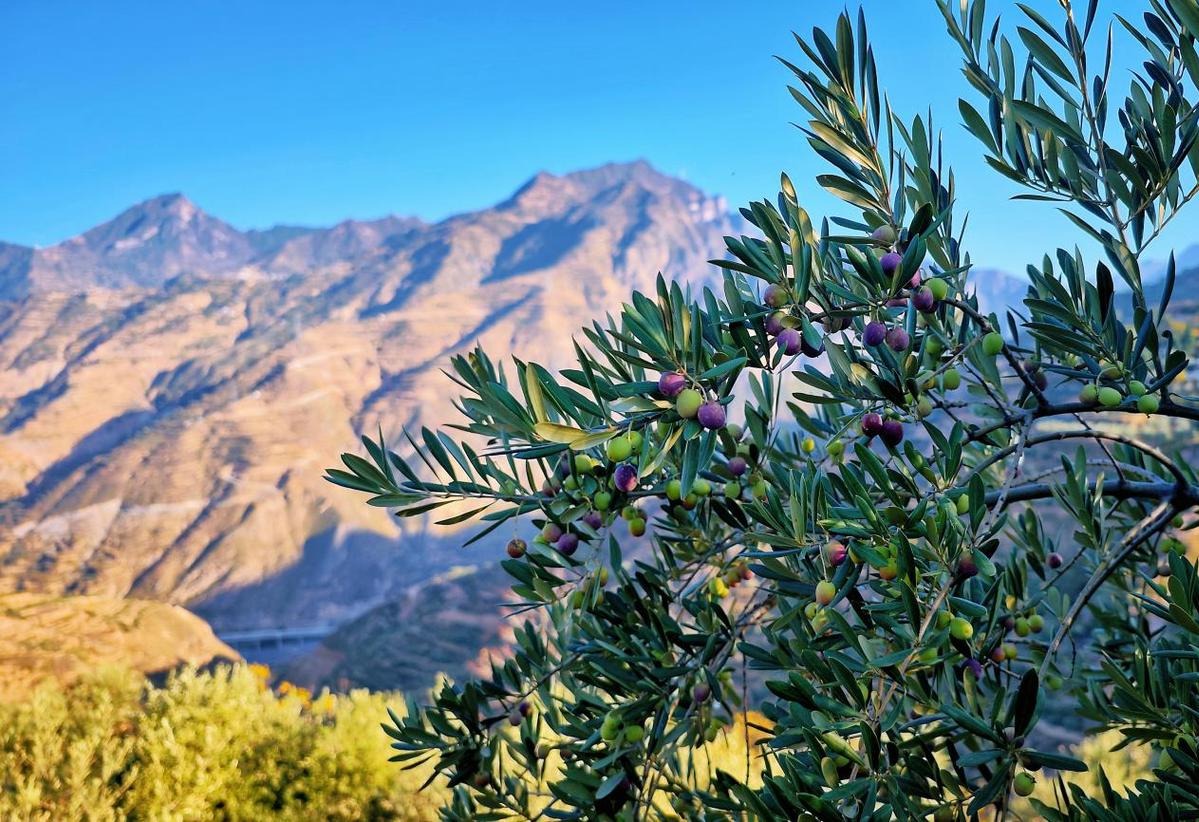
Located in China's northwest, Longnan in Gansu shares the magical 33°N with Mediterranean coastal countries. The hills here are bare, and grain harvests are not good; but the climate in the local low mountain and valley areas is very similar to the climate of the Mediterranean coast.
Read more: The geographical centre of China: Why is Gansu's natural environment the most complex?
In 1998, the "World Map of Olive Tree Distribution" issued by the International Olive Council (IOC) added Chinese production areas. In 2003, the "Grain for Green" project, a state campaign to restore an ecological balance to the country's western parts, was promoted in Gansu, providing a rare development opportunity for the local cultivation of olives.
The development path of Gansu's olive industry
However, the journey of growing olives in Gansu was not all plain sailing. It of course has faced various challenges.
Firstly, the olives had problems such as low oil yield and poor quality. Later, led by the government, the Wudu District in Longnan began to replant and supplement the original tree species, replacing the old, low-yield and low-production varieties, and introduced superior varieties, leading to the quality and efficiency of the olives improving year by year.
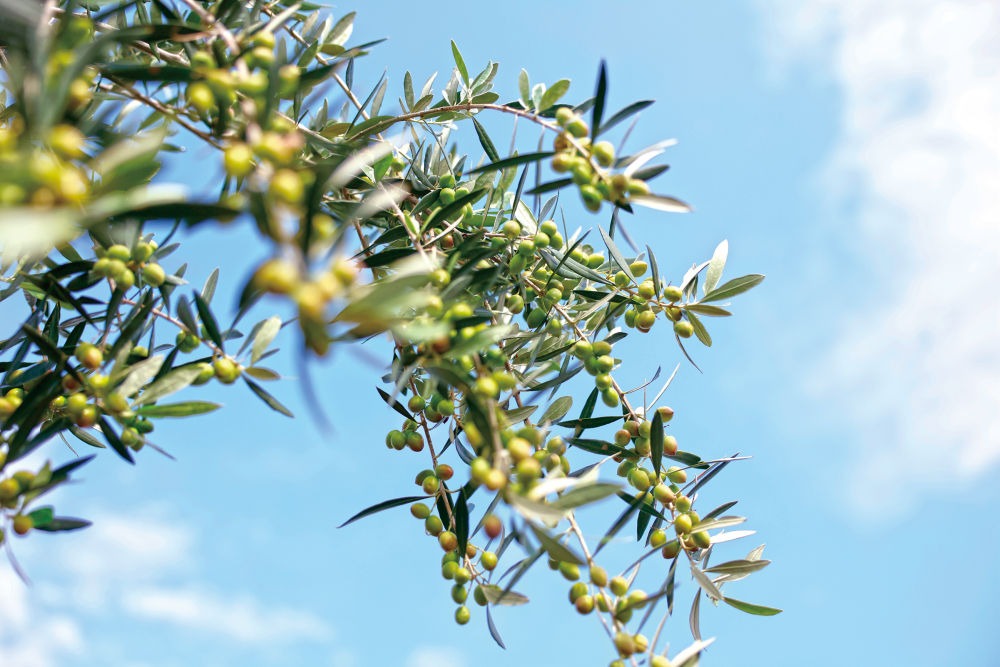
Moreover, the olive seeds from Longnan, have also travelled into space twice aboard Shenzhou spacecraft. This was to help solve problems such as a lag in breeding new varieties, the severe degradation of imported foreign varieties, and low and unstable yields.
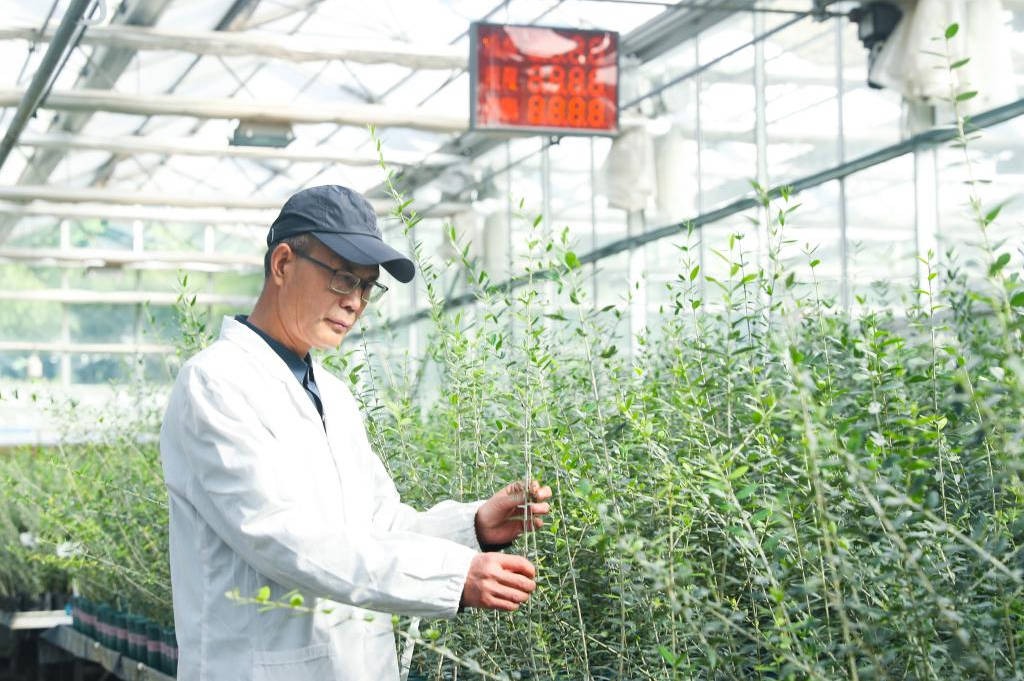
Secondly, unlike the plains of the Mediterranean coastal region, Longnan's terrain is predominantly mountainous. This makes it more difficult for the local area to develop mechanised harvesting; in addition, the local rainfall is relatively low, and the yield difference between well-irrigated olive trees and those relying on natural rainfall can be more than 50%.
Therefore, Wudu District is stepping up efforts to build supporting infrastructure such as water, electricity, roads and canals within areas suitable for olive cultivation, promoting mountain monorail transporters, and introducing and developing forestry machinery such as small, convenient, semi-manual fruit-picking machines suitable for Longnan's mountainous terrain, to achieve automation and intellectualisation.
Last year, agricultural drones were also introduced to transport seedlings, significantly reducing costs.
In addition, to further enhance the market brand and industrial influence of Longnan olives, the local area has formed a "grower + cooperative + association + base + company" cooperation model, and implemented contract farming.
Olive industry aids poverty alleviation and improve ecology in Gansu
The development of olives in Longnan, Gansu has also driven local poverty alleviation and prosperity. The olive industry has so far benefited more than 200,000 farmers; in the main production areas, 44,200 impoverished people from 10,100 households in 159 impoverished villages have achieved their poverty alleviation goals through olive cultivation.
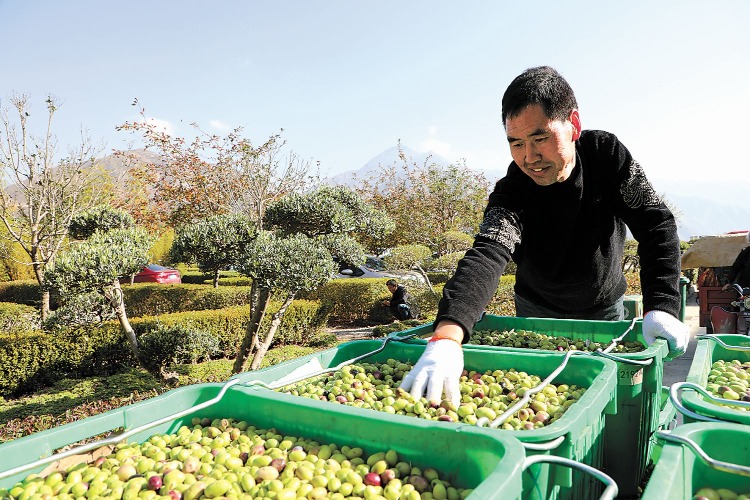
Leading local olive processing enterprises have also helped impoverished villages build water-saving irrigation facilities, provided fine-variety seedlings for free, and given priority to providing financial support and technical guidance. They also prioritised the purchase of fresh olives.
The booming development of Longnan's olive industry has not only brought economic improvements but has also gradually played an important ecological role.
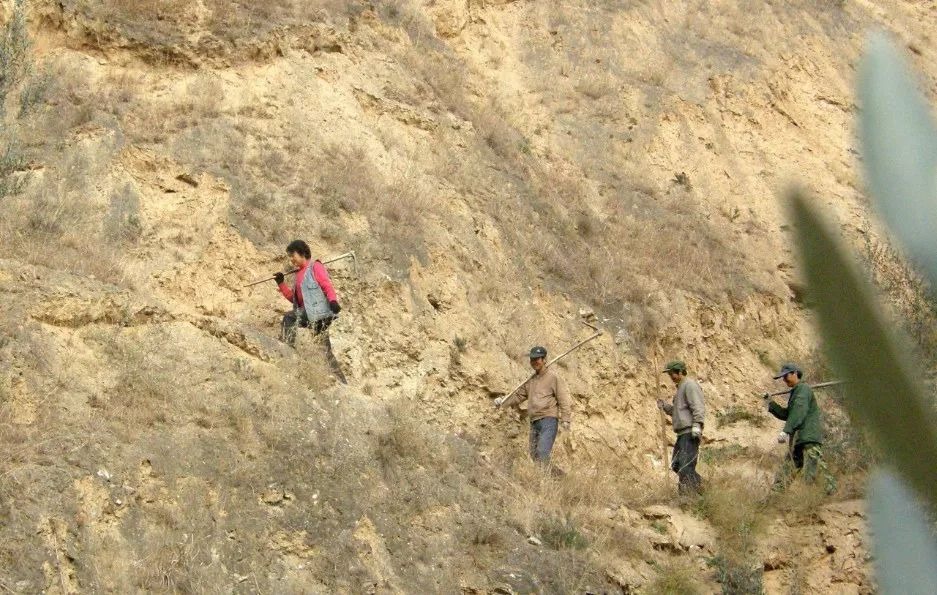
Longnan is one of the four major areas in China prone to debris flows, and olives are an evergreen tree species with a well-developed root system, which has a very good water and soil conservation effect. Today, olives have both increased the local forest coverage rate and reduced soil erosion and surface runoff.
Currently, China's total annual consumption of olive oil is about 50,000 tonnes, while the annual output of domestically produced olive oil is still less than 10,000 tonnes, and consumption mainly relies on imports.
Domestically produced olive oil has a "freshness" advantage in terms of extra virgin olive oil quality, as it can reach the market in as little as 100 hours after harvesting; combined with the recent reduction in olive oil production and soaring prices in Europe due to extreme heat, the prospects for Chinese-produced olive oil are broad as the domestic olive industry continues to develop.
The olive tree, a symbol of peace and unity, has firmly taken root in China, with flourishing branches and leaves, growing new hope for a prosperous and healthy life.
Read more: 60% of world's caviar comes from China? |China's new specialties